»
12th Century Chinese Crossbow Chronographedby stuckinthemud1 Fri Nov 24, 2023 3:50 pm
»
Crossbow Stockby kenh Tue Oct 31, 2023 6:19 am
»
Colletiere a Charavines continuing experimentby stuckinthemud1 Sat Oct 07, 2023 5:36 am
»
Cocking - howby stuckinthemud1 Thu Aug 03, 2023 4:24 am
»
Questions around heavy crossbow lath buildinby stuckinthemud1 Wed Apr 26, 2023 1:10 am
»
Arab Crossbowby stuckinthemud1 Tue Apr 25, 2023 7:57 am
»
prod angle, and lever trigger for sale anyone?by stuckinthemud1 Mon Mar 20, 2023 5:54 am
»
flexible stringby jasper1978 Mon Mar 20, 2023 1:25 am
»
[solved]Skane/Lillohus crossbow threadby stuckinthemud1 Sun Mar 19, 2023 7:44 am
»
jens sensfelderby jasper1978 Wed Mar 08, 2023 11:58 pm
»
400lb Windlass crossbow bolts weight and accuracy shooting high.by stuckinthemud1 Sun Mar 05, 2023 2:53 pm
»
Codex Löffelholz crossbowby stuckinthemud1 Tue Jan 24, 2023 4:14 pm
»
Digitar prodscby stuckinthemud1 Sun Jan 15, 2023 2:42 pm
»
Troubleshootingby Andy. Fri Jan 06, 2023 12:29 pm
»
Wood Prodsby stuckinthemud1 Fri Dec 30, 2022 12:47 pm
»
Colletiere a Charavines crossbow by stuckinthemud1 Fri Dec 30, 2022 8:54 am
»
Simplified Löffelhotz speedloaderby stuckinthemud1 Fri Dec 09, 2022 4:05 pm
»
Fiberglass H-bowsby c sitas Sat Nov 12, 2022 8:44 am
»
Bad Antlerby drawknife Sat Nov 12, 2022 3:48 am
»
Anyone make their own bolts?by Juniper Mon Oct 17, 2022 8:20 am
»
Josef alm in Englishby Juniper Sat Oct 15, 2022 4:22 am
»
Qin/Han lock drawingsby kenh Fri Sep 23, 2022 8:16 pm
»
stirrup dimensions?by stuckinthemud1 Thu Sep 01, 2022 1:49 pm
»
Skane/Lillohus lockbow information neededby stuckinthemud1 Sun Aug 14, 2022 6:23 am
»
need help contacting le musee Dauphinois Grenobleby stuckinthemud1 Sat Aug 13, 2022 3:22 pm

 Home
Home


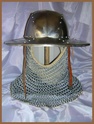


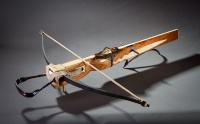




 wonderfull presentation!
 I've been researching the different ring patterns in jewelry and armour..very interesting topic....how are your rings held together? do you simply bend them shut or do you also solder/braze/weld them closed?



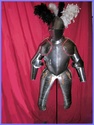 Cavalry Harness 1545
  Great helm 1340
  Hundskul 1460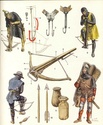
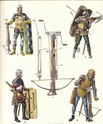
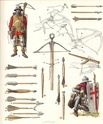

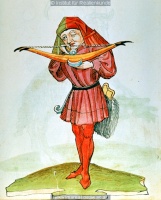
 No objections there. Given the crossbowman helmets were made by you and if you think they are authentic reproductions(sorry, not my line of expertise
  ), then why not make a topic in "Medieval Reproductions" forum and rename this one Arbalist Armour(or something along the lines)? What do you say...sounds good?
 Your profile
 Social
 Private messages